If you’re like most dog parents, you probably think first about food, exercise, or taking your pup to the vet when it comes to keeping them healthy. But honestly, hardly anyone puts dental care on that list. It kind of gets forgotten until there’s a real issue.
The thing is that your dog’s mouth isn’t just for eating. They’re chewing toys, dragging around socks they shouldn’t have, and, of course, slobbering all over you with kisses. If their teeth or gums aren’t in good shape, it’s not just bad breath you’ll notice it can turn into pain, infections, and even cause problems with organs like the heart or kidneys.
And here’s where it gets tricky for pet parents: there are tons of myths around dog dental care. Stuff like “kibble cleans teeth” or “dog breath is just normal.” Not true at all. Those little beliefs are what lead to bigger health problems later. So, in this blog, we’ll sort through the most common myths and share the real facts you actually need to know to keep your dog’s smile healthy and bright.
Myth 1: Dogs Don’t Need Dental Care Because They Don’t Get Cavities
Fact:
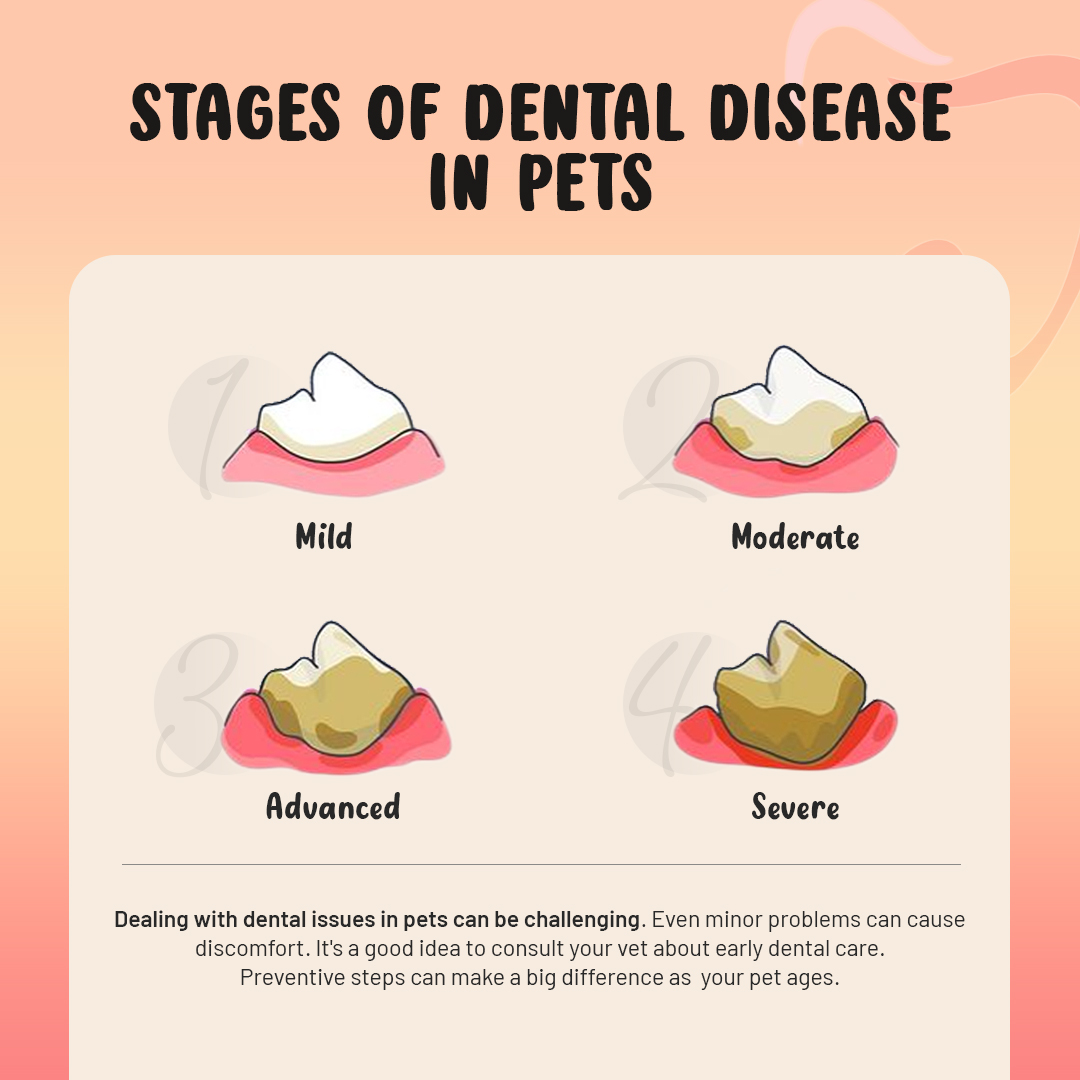
True, dogs don’t usually get cavities like we do. But that doesn’t mean their teeth are fine on their own. The real problem for them is plaque and tartar building up, which turns into gum disease if you leave it. Honestly, it’s one of the most common dental problems in dogs vets see. And it’s not just about stinky breath – bad teeth can actually hurt, make them lose teeth, and in worst cases even mess with their organs. So yes, even if cavities aren’t the issue, brushing at home and the occasional professional cleaning really do matter.
Myth 2: Dry Kibble Cleans Teeth
Fact:
People say dry food keeps a dog’s teeth clean because it’s crunchy. But think about how most dogs eat – they don’t sit there chewing each piece like we do with chips. They bite a little and swallow fast, so the food doesn’t stay on the teeth long enough to actually scrub anything. And even when they do chew, it only touches the surface. The real problem area is around the gums, which doesn’t get cleaned at all.
Sometimes, kibble even crumbles and sticks, which adds to plaque instead of fighting it. That’s why relying on kibble alone doesn’t work. You still need the basics like brushing with dog-safe paste, maybe some dental chews, or even a rinse your vet suggests. If you’re not sure where to start, this guide to dog dental care walks you through the simple steps that actually make a difference.
Myth 3: Bad Breath is Normal in Dogs
Fact:
People joke about “doggy breath” all the time, but if your dog’s mouth always smells bad, that’s usually an alarming sign. It’s not just some harmless quirk. Often, it indicates that plaque or gum disease is developing, and sometimes it’s linked to tummy troubles too.
Think of it this way… breath that knocks you back probably means something isn’t right. You don’t just spray some freshener and call it a day, right? Same with dogs. Regular brushing, vet checkups, and having the right dog’s dental care supplies around make a huge difference.
Myth 4: Dogs Don’t Need Daily Brushing
Fact:
A lot of people think dogs can skip daily brushing because “they’re animals.” The truth is, food and germs stick to their teeth the same way ours do. If it isn’t cleaned off, it builds up into plaque. Leave it longer and that turns into tartar, which is hard and stubborn, and it starts messing with the gums.
Brushing every single day is the best way to stop that. Realistically, though, not everyone manages it, and that’s okay — even a few times a week helps more than people think. Alongside brushing, some pet parents also add dental care treatments which, are made to cut down bacteria and slow plaque from forming.
Myth 5: Only Small Breeds Have Dental Problems
Fact:
People often think only tiny dogs get dental issues because their teeth are squished together. And yes, it’s true that small breeds can have crowded teeth, which makes plaque and tartar more likely. But don’t let that fool you – big dogs get dental problems too. In fact, sometimes their chewing strength can cause broken or cracked teeth, which can be really painful.
The takeaway? It doesn’t matter if your dog is a Chihuahua or a Great Dane — keeping up with brushing, dental chews, and checkups is just as important for all of them. Size doesn’t make them immune, not even a little.
Myth 6: Professional Cleanings Are Optional
Fact:
Some people think that if they brush their dog’s teeth at home, a vet cleaning isn’t needed. That’s not really the case. Sometimes the tartar gets super hard and brushing alone just doesn’t do the job. Plus, there could be stuff deeper in the gums you can’t see. That’s where professional cleanings help.
It’s kind of like when we go to the dentist — even if you brush and floss every day, you still need that check-up. Same with dogs. Skipping it might seem fine now, but later it can turn into bigger problems, and nobody wants that for their pup.
Myth 7: Natural Remedies Alone Are Enough
Fact:
A lot of people think that just giving their dog some home remedies is enough to keep their teeth healthy. Honestly, that’s not really true. Natural remedies can help, sure, and some pet parents look into natural ways to fight plaque & tartar, which can actually do a little good as a supplement. But the thing is, it can’t replace brushing or regular vet checkups.

If you skip the basics and only rely on home stuff, your dog could still end up with gum disease or worse. Think of it like trying to eat only vitamins and skipping meals — it might help a bit, but it won’t cover everything. Brushing, proper dental products, and vet visits are what actually protect their teeth.
Myth 8: You Can Use Human Toothpaste on Dogs
Fact:
Okay, this one’s important- never use human toothpaste on your dog. Most of them have fluoride or xylitol, which can actually be really toxic for pets. People sometimes think, “oh, it’s just a little,” but even a small amount can be dangerous.
Instead, go for a toothpaste made for dogs. It’s safe and actually works. If you want to have a little fun with it, you can even make a DIY homemade toothpaste for dogs, which is safe, effective, and a lot less stressful than trying to get them to tolerate human toothpaste.
Myth 9: If Gums Bleed, Stop Brushing
Fact:
A little bit of bleeding can happen when you first start brushing your dog’s teeth. It’s usually because the gums are inflamed from built-up plaque. That doesn’t mean you should stop brushing—actually, gentle brushing is what helps the gums heal over time. Just go slowly and use a soft brush. If the bleeding keeps up for more than a few days or looks heavy, then that’s when you should get your vet involved. Ignoring it completely will only make things worse.
Myth 10: Dental Problems Don’t Affect Overall Health
Fact:
Dental issues don’t just stay in the mouth. Bacteria from gum disease can spread through the bloodstream and affect the heart, kidneys, even the liver. So brushing, dental chews, and regular checkups aren’t just about keeping nice teeth-they’re about protecting your dog’s whole body. Skipping dental care might not look like a big deal at first, but over time, it can seriously shorten your pet’s healthy years.
How to Keep Your Dog’s Teeth Healthy?
1. Brushing is really important:
Use a pet-safe toothpaste. Try to do it two or three times a week. Some days it just doesn’t happen and that’s okay, but if it gets skipped a lot, the plaque just stays there.
2. Chews and toys help too:
They don’t replace brushing, but chewing on them can scrape off some of the gunk. Keeps the teeth a bit cleaner and the dog busy, which is nice.
3. Vet visits are needed:
Professionals can get the stuff brushing misses. They also catch problems before they get painful. Waiting too long just makes it worse.
4. Hydration matters:
Try the simple gum test to see if the dog is drinking enough. A dry mouth is where bacteria like to grow. That leads to problems later, so it’s worth checking.
5. Diet counts as well:
Good food helps teeth and gums stay strong. Bad food makes brushing and chewing less effective. Then dental issues pop up.
Final Thoughts
Dental care for dogs isn’t just about making their teeth look nice. It really affects their whole body. If it’s ignored, it can cause pain, cost a lot at the vet, and in some cases, be really serious. Brushing, using safe products, and taking them to the vet helps stop most of these problems.
Doing it now makes a difference later. Healthier teeth mean fewer issues, more playtime, more tail wags, and a dog that’s just happier overall. It might seem small, but it matters.